
Contrato de formación de personal investigador predoctoral asociado a Proyectos de Generación de Conocimiento del Ministerio de Ciencia, Innovación y Universidades. Proyecto TransRapid

Buscamos una persona altamente motivada para realizar una tesis doctoral en el marco del proyecto TransRapid: Plasticidad fenotípica transgeneracional como mecanismo de adaptación rápida al cambio climático (PID2025-168039NB-I00). TransRapid estudia cómo las plantas pueden responder a olas de calor cada vez más frecuentes, intensas y prolongadas en la cuenca mediterránea, combinando experimentación en condiciones controladas, ecofisiología vegetal, genética, genómica, epigenética y análisis estadístico avanzado.

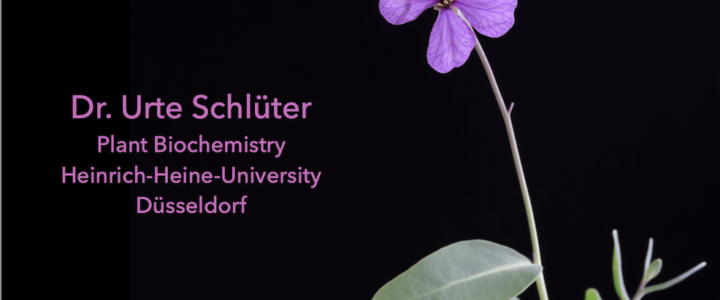
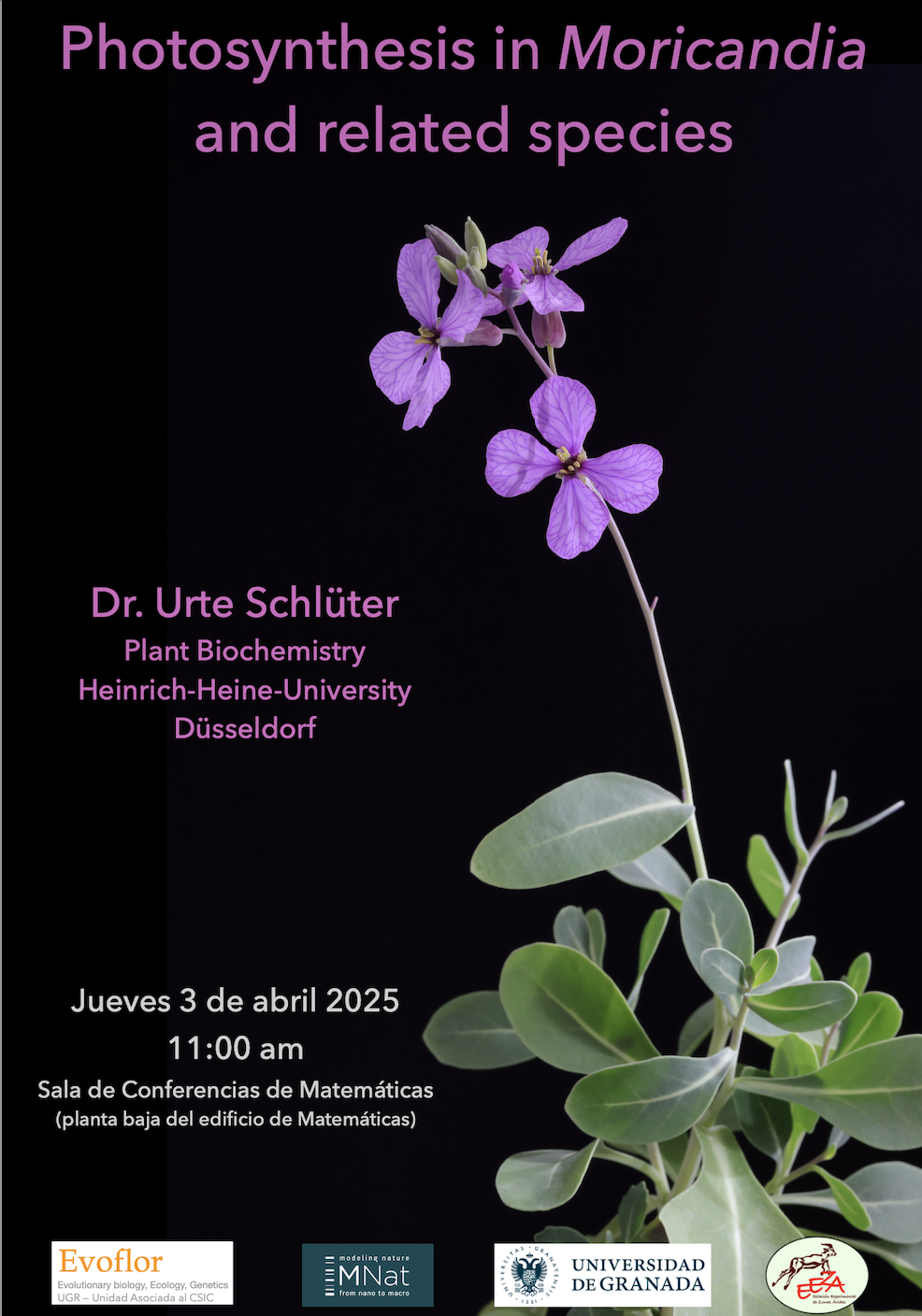
La investigación se centrará en dos especies de Brassicaceae del género Moricandia: Moricandia arvensis, una especie de ambientes áridos y semiáridos con una extraordinaria plasticidad fenotípica, y M. moricandioides, una especie emparentada de fenotipo más canalizado y menor tolerancia al estrés térmico. M. arvensis presenta una vía fotosintética intermedia C3–C4 y es capaz de modificar rasgos foliares, anatómicos, fisiológicos, vegetativos y reproductivos en respuesta a condiciones ambientales contrastadas (p. ej., condiciones primaverales benignas y veranos cálidos y secos). Esta combinación la convierte en un sistema excepcional para investigar los mecanismos que permiten responder con rapidez al cambio ambiental.
La tesis se enmarcará en el análisis de cómo la exposición parental y multigeneracional a altas temperaturas altera los fenotipos de la descendencia y en qué medida dichos efectos contribuyen a mantener el crecimiento, la fotosíntesis y el éxito reproductivo bajo estrés abiótico. Se investigará especialmente el papel de la plasticidad fenotípica transgeneracional, es decir, la influencia del ambiente experimentado por una generación sobre la plasticidad, el desarrollo y el desempeño de generaciones posteriores, y si estos efectos se asocian con cambios persistentes en la expresión génica, en los perfiles de pequeños RNA reguladores y en los patrones de metilación del DNA.
La persona seleccionada podrá desarrollar una tesis con un componente experimental, molecular, computacional y/o integrador. Entre las líneas posibles se incluyen:
- Estudio de la regulación transcripcional de la respuesta al calor mediante RNA-seq y análisis de expresión diferencial.
- Caracterización de microARN y otros ARN pequeños implicados en la regulación de genes sensibles al estrés.
- Análisis de metilomas y de regiones diferencialmente metiladas asociadas con la exposición térmica recurrente y la memoria epigenética.
- Investigación de la fotosíntesis C3–C4, la fotorrespiración y los mecanismos de concentración y reabsorción de CO₂ fotorespirado en condiciones cálidas.
- Análisis de la plasticidad transgeneracional de rasgos funcionales, reproductivos y fotosintéticos bajo tratamientos térmicos contrastados.
- Integración de fenotipos, transcriptómica, sRNA, metilación y medidas de aptitud biológica.
- Evaluación de límites evolutivos de la plasticidad, incluyendo la integración fenotípica entre rasgos y sus consecuencias para la adaptación.

La tesis se desarrollará en un entorno interdisciplinar en la Universidad de Granada (UGR) y en la Estación Experimental de Zonas Áridas (EEZA) del CSIC). La tesis será dirigida por el Dr. Francisco Perfectti, Catedrático del Departamento de Genética de la UGR, y la Dra. Cristina Armas Kulik, científica titular del CSIC. El Dr. Perfectti es genetista evolutivo y su investigación se centra en la base genética y genómica de la plasticidad fenotípica y la canalización en plantas, integrando genómica evolutiva, análisis transcriptómicos, epigenética y bioinformática. La Dra. Armas es experta en ecología funcional vegetal en ambientes extremos, con especial interés en cómo los rasgos funcionales, fisiológicos y reproductivos de las plantas responden a gradientes ambientales y al cambio global. Ambos investigadores codirigen una línea de investigación consolidada sobre plasticidad fenotípica en Moricandia, desarrollada en el marco de la Unidad Asociada CSIC–UGR EvoFlor (www.evoflor.org).
El programa formativo incluirá además del aprendizaje de las teorías y conceptos fundamentales de este campo de especialización, la formación en conocimientos instrumentales y técnicos para llevar a cabo la investigación (el know-how). Además, se realizará formación en rigor metodológico e integridad científica, en creatividad, en herramientas para una comunicación eficaz. El doctorado impartirá el curso “Creatividad, integridad y comunicación en la ciencia” en la Escuela Internacional de Posgrado de la UGR, así como otros cursos formativos y estancias en laboratorios de otras instituciones. Se espera que el/la FPI participe también activamente en los debates e interacciones con todos los miembros de la unidad de investigación multidisciplinar EvoFlor y colabore en la docencia para mejorar sus habilidades de comunicación.
Perfil recomendado
Se valorará especialmente una formación de máster en Biología, Biotecnología, Bioinformática, Genética, Ecología u otras áreas relacionadas. Se considerarán positivamente conocimientos previos de R, Linux/Bash, Python, análisis de RNA-seq, estadística, biología molecular o manejo experimental de plantas, aunque no son requisitos imprescindibles. Buscamos curiosidad científica, rigor, capacidad de aprendizaje, autonomía progresiva y disposición para trabajar en un equipo colaborativo.
Las personas interesadas pueden enviar una breve carta de motivación, CV, expediente académico y, si procede, información sobre su experiencia previa en investigación o programación a fperfect@ugr.es y cris@eeza.csic.es